Do I Need a Culvert for My Driveway in Ontario?
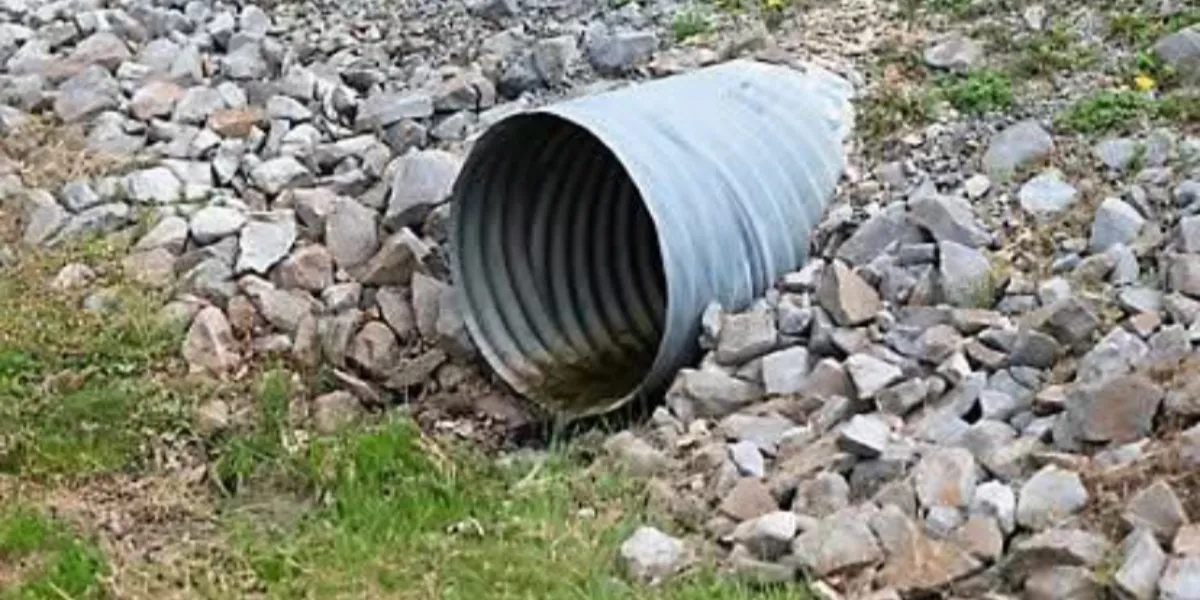
If your driveway crosses a ditch or drainage path, there’s a good chance you’ll need a culvert. In many parts of Ontario, culverts are required to allow water to flow properly and prevent issues like washouts, erosion, and flooding.
For most rural and semi-rural properties, a culvert isn’t optional, it’s a necessary part of building a driveway that will hold up over time. The exact requirements depend on your property and municipality, but if water needs to pass under your driveway, a properly installed culvert is the solution.
What Is a Culvert and What Does It Do?
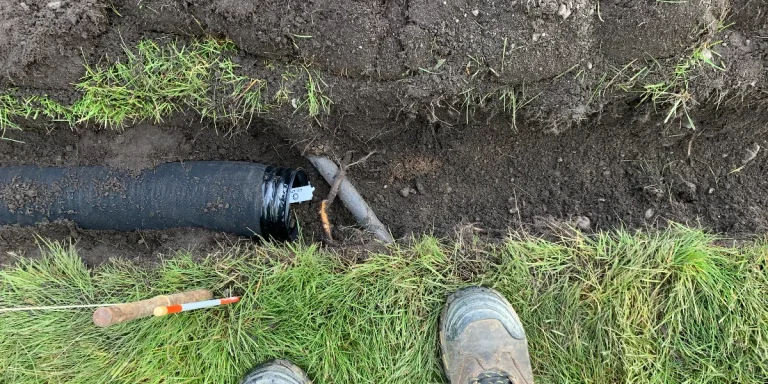
A culvert is a pipe installed under a driveway or access point that allows water to flow through instead of over the surface.
Its main purpose is to:
-
- Maintain proper drainage along ditches and low areas
- Prevent water from washing out your driveway
- Reduce erosion and soil loss
- Keep access points stable during heavy rain or spring thaw
Without a culvert, water will always find a way through, and that usually means damage.
When Do You Need a Culvert for Your Driveway?
In most cases, a culvert is required any time your driveway crosses a drainage path.
You likely need one if:
-
- Your driveway crosses a ditch along a road
- Water flows through or across your property
- You’re installing a new driveway entrance
- Your existing culvert is damaged, undersized, or failing
- The municipality requires it as part of an entrance permit
If water is present, a culvert is almost always part of the proper solution.
Are Culverts Required by Law in Ontario?
In most areas of Ontario, culverts are required by local municipalities when installing a driveway entrance across a ditch.
Typical requirements include:
-
- Installing a culvert to maintain roadside drainage
- Meeting minimum diameter and length specifications
- Following proper grading and elevation guidelines
- Obtaining an entrance or road access permit
Each municipality has its own bylaws, but the goal is always the same, ensure water continues to flow properly along roads and properties.
Failing to install a culvert when required can lead to:
-
- Permit issues or failed inspections
- Being required to redo the work
- Drainage problems affecting nearby properties
What Happens If You Don’t Install a Culvert?
Skipping a culvert might save money upfront, but it almost always leads to problems.
Common issues include:
-
- Water flowing over and washing out your driveway
- Erosion and soil loss around the entrance
- Soft, unstable ground that becomes difficult to use
- Repeated maintenance and repairs
- Potential issues with the municipality
In most cases, the cost of fixing these problems ends up being higher than installing the culvert properly the first time.
How Much Does Culvert Installation Cost in Ontario?
Culvert installation costs can vary depending on the size of the pipe, site conditions, and the amount of work required.
Typical price ranges:
-
- Basic installations: $1,500 – $4,000
- Larger or more complex installs: $4,000 – $10,000+
Factors that affect cost include:
-
- Culvert diameter and length
- Depth of installation
- Soil and ground conditions
- Amount of excavation required
- Gravel, backfill, and grading work
Every site is different, so the best way to get accurate pricing is to have the property assessed.
What Size Culvert Do You Need?
Choosing the right size culvert is critical. If it’s too small, it won’t handle the water flow and will fail.
Sizing depends on:
-
- The amount of water flow
- The size of the ditch or drainage area
- Municipal requirements
- Surrounding property conditions
Many municipalities specify minimum sizes, often 12” to 18” diameter or larger depending on the application.
Proper sizing and placement are just as important as the installation itself.
How Culverts Are Installed Properly
Culvert installation isn’t just about placing a pipe in the ground. It needs to be installed correctly to function and last.
A proper installation includes:
-
- Excavating the trench to the correct depth and width
- Setting the proper grade to allow water to flow
- Placing and aligning the culvert correctly
- Backfilling and compacting to prevent settling
- Adding gravel and shaping the driveway surface
- Stabilizing the inlet and outlet to reduce erosion
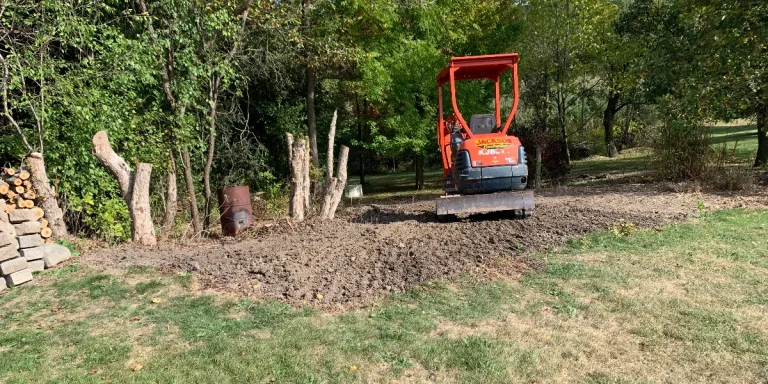
At Jackson Construction, we use the right equipment for each job, including excavators for trenching and placement, as well as skid steers and compact equipment for shaping and finishing. This allows us to handle both tight access properties and larger rural installations efficiently.
Culvert Installation in Southwestern Ontario
Jackson Construction provides culvert installation services across Southwestern Ontario, including:
-
- Sarnia
- Petrolia
- Grand Bend
- London
- St. Thomas
- Strathroy
- Chatham
With experience dating back to 1955, our third-generation company understands the local drainage conditions, soil types, and municipal requirements throughout the region. We approach each project with a focus on proper installation, long-term performance, and making sure the work meets local standards.
Get a Culvert Installation Estimate
Every property is different, and the best way to determine what you need is to take a look at the site.
We provide:
-
- No-obligation estimates
- Clear recommendations based on your property
- Proper installation that meets local requirements
If you’re planning a driveway or dealing with drainage issues, contact us today to get a culvert solution that will hold up over time.